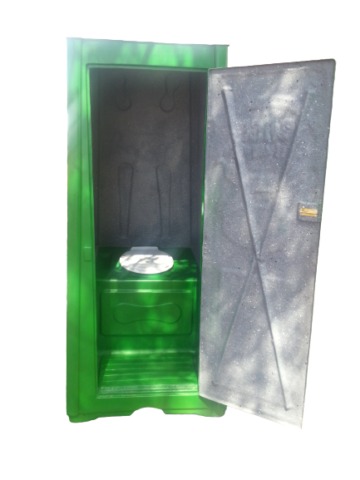
Understanding Portable Toilets
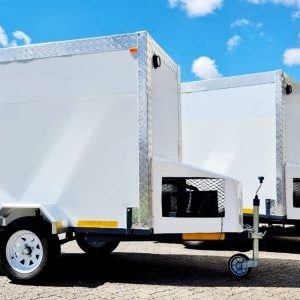
Portable toilets are self-contained sanitation units designed for mobility and ease of use. They are manufactured using durable materials such as high-density polyethylene, ensuring long-term performance even in harsh environments. These units are designed to be lightweight, easy to transport, and simple to maintain.
There are two main types of portable toilets available in the market: flush portable toilets and non-flush portable toilets. Each type has its own advantages, making them suitable for different applications.
What Are Flush Portable Toilets?
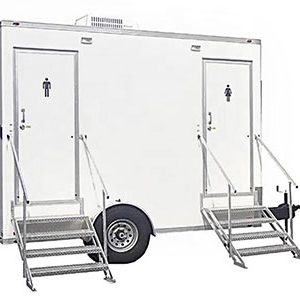
Flush portable toilets are designed to provide a more comfortable and hygienic experience, similar to traditional restrooms. These units come equipped with a flushing mechanism that uses either a manual pump or a foot pedal to rinse the bowl after use.
The flushing system helps maintain cleanliness by minimizing odor and keeping the waste compartment sealed. Most flush toilets also include a freshwater tank and a separate waste holding tank, ensuring better sanitation.
Flush portable toilets are commonly used for:
- Outdoor events such as weddings and festivals
- VIP areas and premium setups
- Long-term construction projects
- Camping and caravanning
These toilets offer a more refined user experience, making them ideal for situations where comfort and hygiene are top priorities.
What Are Non-Flush Portable Toilets?
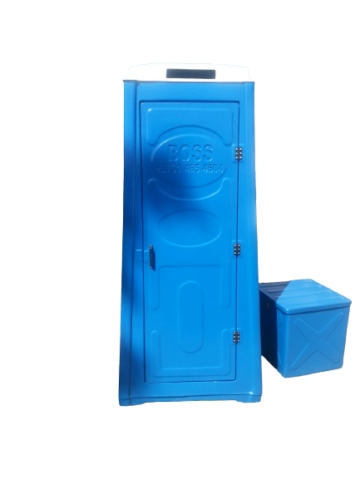
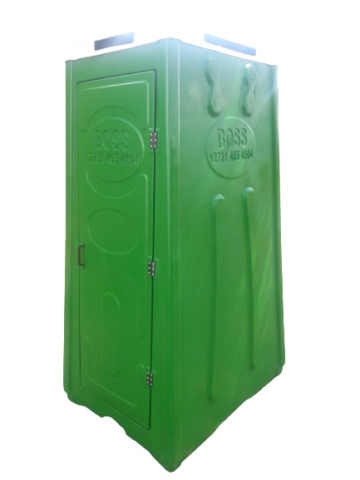
Non-flush portable toilets, also known as dry portable toilets, are simpler in design and operation. They do not include a flushing system and rely on chemicals or deodorizers to control odor and break down waste.
These units are cost-effective and require less maintenance compared to flush toilets. Since they have fewer components, they are less prone to mechanical issues and are easier to manage in remote locations.
Non-flush portable toilets are widely used for:
- Construction sites
- Road projects
- Agricultural fields
- Temporary setups in remote areas
They are an economical choice for large-scale deployments where budget and simplicity are key considerations.
Frequently Asked Questions (FAQs)
1. What is the main difference between flush and non-flush portable toilets?
Flush portable toilets use water to clean the bowl after use, providing better hygiene and odor control. Non-flush toilets do not use water and rely on chemicals, making them more affordable and easier to maintain.
2. Which portable toilet is better for construction sites?
Non-flush portable toilets are generally more suitable for construction sites because they are cost-effective, durable, and require minimal maintenance.
3. Are flush portable toilets difficult to maintain?
Flush portable toilets require regular maintenance, including refilling the water tank and emptying the waste tank. However, with proper care, they can provide a superior user experience.
4. How often should portable toilets be cleaned?
The cleaning frequency depends on usage. For high-traffic areas, daily cleaning is recommended, while for low usage, cleaning can be done every few days.
5. Can portable toilets be used for long-term projects?
Yes, both flush and non-flush portable toilets can be used for long-term projects. Flush toilets are better for comfort, while non-flush toilets are ideal for cost-effective, large-scale use.