
Why Portable Toilets Are in High Demand
The demand for portable toilets has grown significantly in recent years due to increased outdoor activities, infrastructure projects, and public events. From weddings and festivals to road construction and disaster relief operations, portable toilets provide a reliable sanitation option wherever needed. Their flexibility and convenience allow users to maintain cleanliness without the need for permanent installations.
Moreover, portable toilets help businesses and event organizers meet sanitation regulations while ensuring user comfort. Clean and accessible restrooms are not just a necessity—they also contribute to a positive experience for workers and guests alike.
Key Features of Portable Toilets
Portable toilets are designed with functionality and user convenience in mind. Modern units come equipped with several features that enhance usability and hygiene.
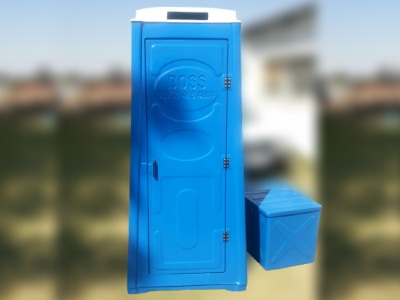
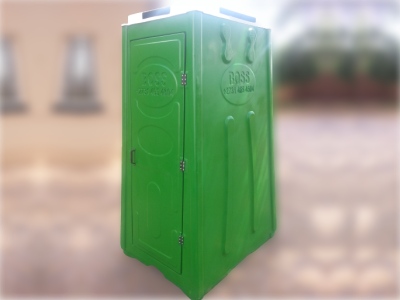
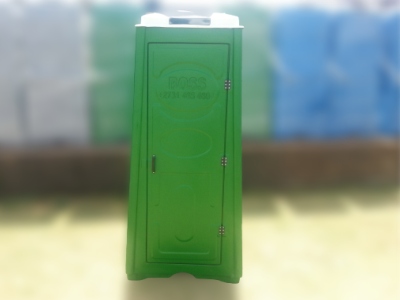
1. Durable Construction: Most portable toilets are made from high-quality plastic materials such as polyethylene, which is resistant to weather conditions and wear. This ensures long-lasting performance even in harsh environments.
2. Easy Mobility: These units are lightweight and designed for easy transportation. They can be quickly relocated as per site requirements, making them ideal for dynamic workspaces.
3. Ventilation System: Proper ventilation helps reduce odors and maintain a fresh environment inside the unit. Many models include strategically placed vents for airflow.
4. Waste Storage Tank: Portable toilets come with a sealed waste tank that safely stores waste until it is emptied. This design ensures cleanliness and prevents leakage.
Hand Sanitizer or Wash Stations: Some advanced models include built-in hand sanitizers or external handwashing stations, promoting better hygiene practices.
Types of Portable Toilets Available
Choosing the right type of portable toilet depends on your specific needs. There are several options available in the market, each catering to different requirements.
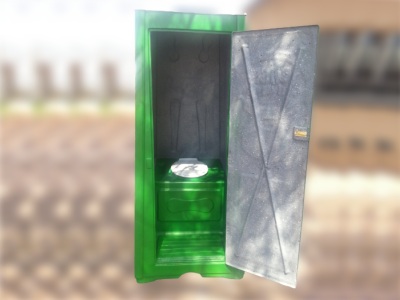
- Standard Portable Toilets: These are the most common units used at construction sites and public events. They include a toilet seat, waste tank, and basic ventilation.
- Deluxe Portable Toilets: Deluxe models offer additional features such as handwashing stations, mirrors, and improved interiors for enhanced comfort.
- Flushable Portable Toilets: These units provide a flushing mechanism similar to traditional toilets, offering a more hygienic and user-friendly experience.
- Handicap Accessible Toilets: Designed to accommodate individuals with disabilities, these units are spacious and equipped with support rails for easy access.
Portable Restroom Trailers: For high-end events, restroom trailers provide a premium experience with multiple stalls, lighting, and running water facilities.
Frequently Asked Questions (FAQs)
1. How often should portable toilets be cleaned?
Portable toilets should be cleaned regularly depending on usage. For high-traffic areas, daily cleaning is recommended, while less frequently used units can be serviced weekly. Proper cleaning ensures hygiene and prevents odors.
2. Are portable toilets environmentally friendly?
Yes, many modern portable toilets are designed to be eco-friendly. They use minimal water and include chemicals that break down waste efficiently, reducing environmental impact.
3. Can portable toilets be used for long-term projects?
Absolutely. Portable toilets are ideal for long-term use, especially at construction sites or remote locations. Purchasing units is often more cost-effective for extended projects.
4. Do portable toilets have a bad odor?
When properly maintained and cleaned, portable toilets do not have a strong odor. Ventilation systems and deodorizing chemicals help keep them fresh and pleasant.
5. What is the lifespan of a portable toilet?
With proper care and maintenance, a high-quality portable toilet can last several years. Durable materials and regular servicing contribute to a longer lifespan.